

Clinical Experience
Our mission is to lead the world in non-surgical scoliosis solutions – uniting research, clinical experience and compassion to transform lives, one spine and one story at a time and we’re proud to share some of those stories with you below…
-
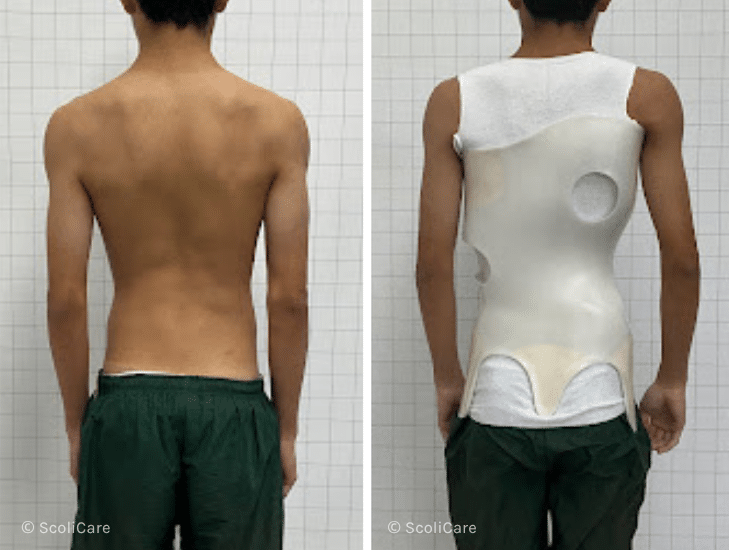
Case – Adolescent Bracing (16 year old male)
Correction of a 30° Thoracolumbar Scoliosis with ScoliBrace® and ScoliBalance® At age 16, the patient presented at the ScoliCare clinic as Mom had noticed the posture changing especially when the patient bent forward. The patient was diagnosed with Adolescent Idiopathic Scoliosis (AIS) with a 30° thoracolumbar curve. At the time of diagnosis, the patient was…
 : Case – Adolescent Bracing (16 year old male)
 -
Case – Juvenille Bracing (12 year old female)
Correction of a Moderate Thoracolumbar Scoliosis Using ScoliNight® and ScoliBalance® At age 12, the patient presented to the ScoliCare clinic with a 19° progressive thoracolumbar scoliosis and postural asymmetry. She had a history of intermittent lower back pain, a confirmed 12° curve at age 8 by the local chiropractor and family doctor, and a family…
: Case – Juvenille Bracing (12 year old female) -
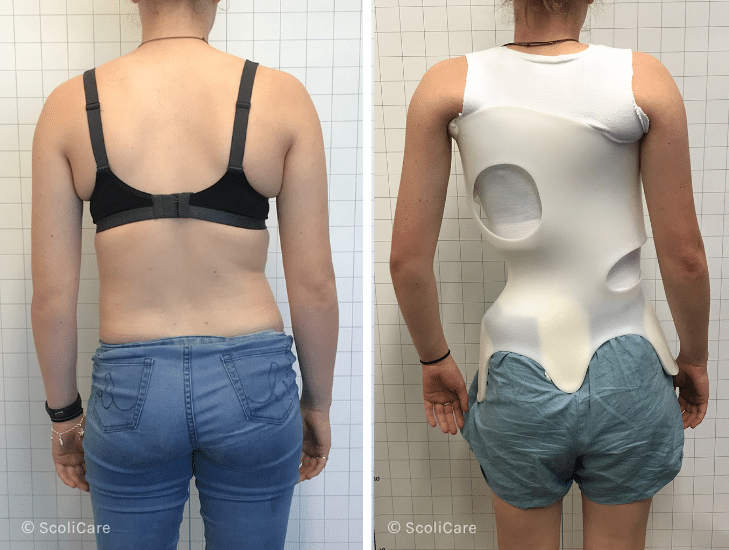
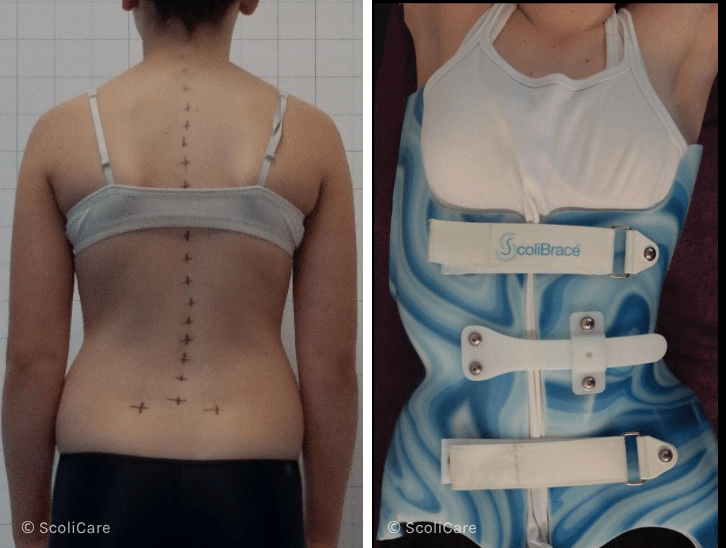
Case – Adolescent Bracing (14 year old female)
Reduction of Moderate Thoracolumbar Scoliosis Using ScoliBrace® and ScoliBalance® At age 14, the patient presented to the ScoliCare clinic with a 34° left thoracolumbar scoliosis. She was an active teen who enjoyed participating in gymnastics, but had been experiencing ongoing lower back and shoulder blade pain. For the previous year, she had been undergoing physiotherapy…
: Case – Adolescent Bracing (14 year old female)
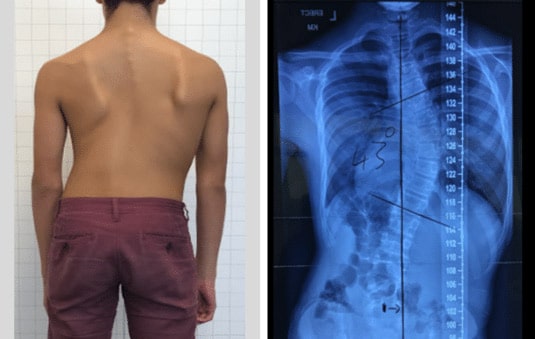
Adolescent Idiopathic Scoliosis
- 35% reduction in thoracic curve in 18 months.
- Posture more balanced.
- Curve stabilised at 5 years follow up.
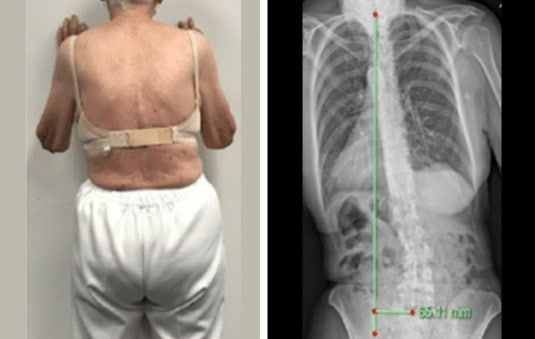
Adolescent Idiopathic Scoliosis
- 32% and 74% reduction in 18 months.
- Improved walking confidence and independence.
- Better balance and stability – less likely to fall.
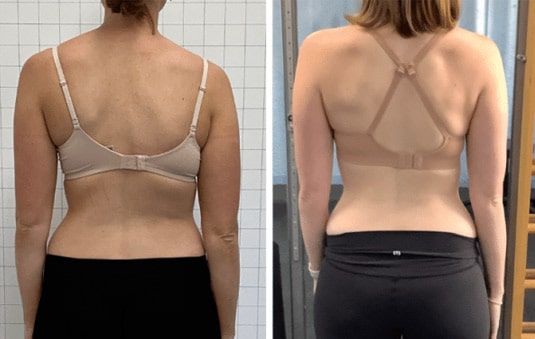
Adolescent Idiopathic Scoliosis
- 21% and 13% reduction in curves in 8 months.
- Posture more balanced.
- Curve stabilised at 4 years follow up.


Our Clinics
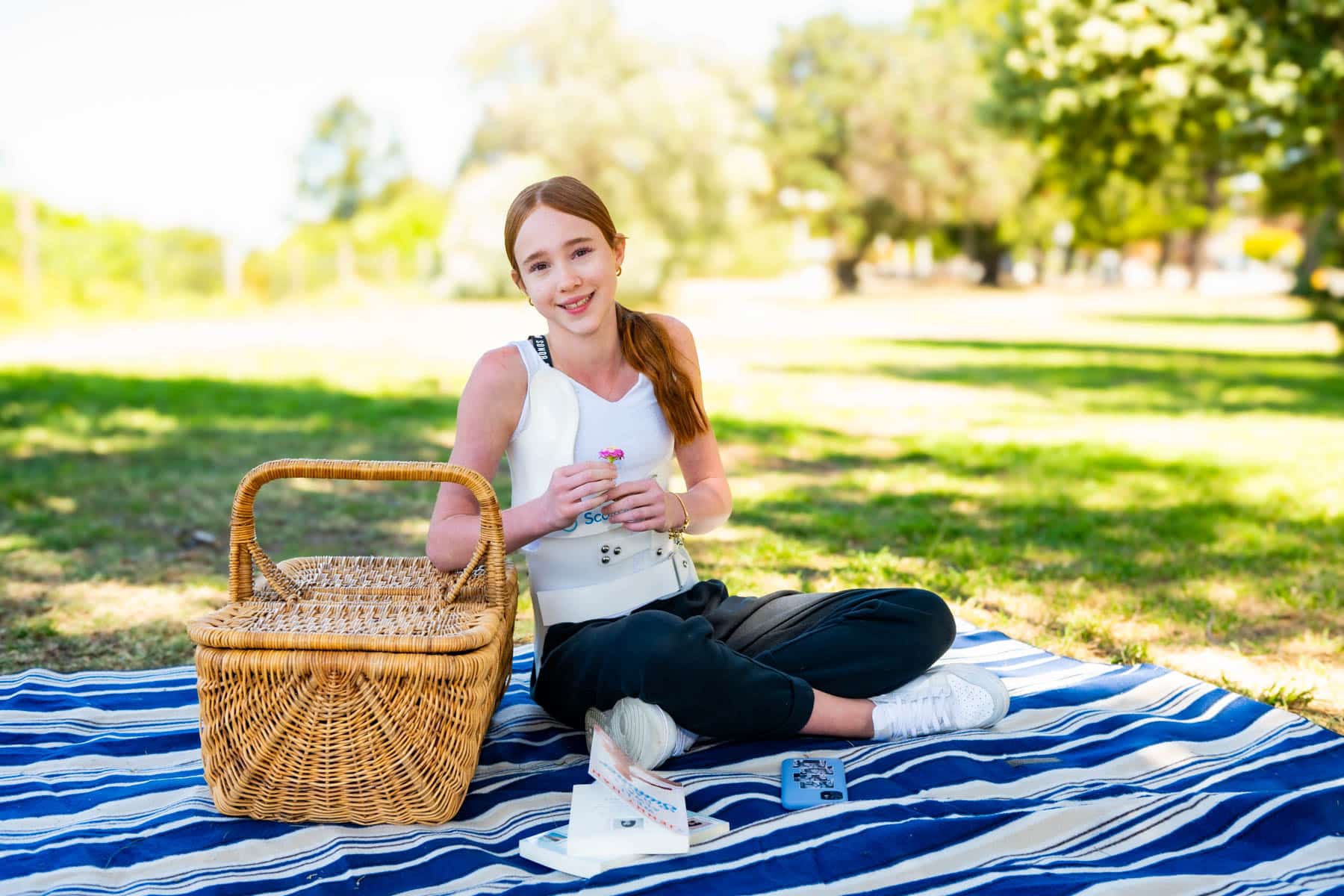
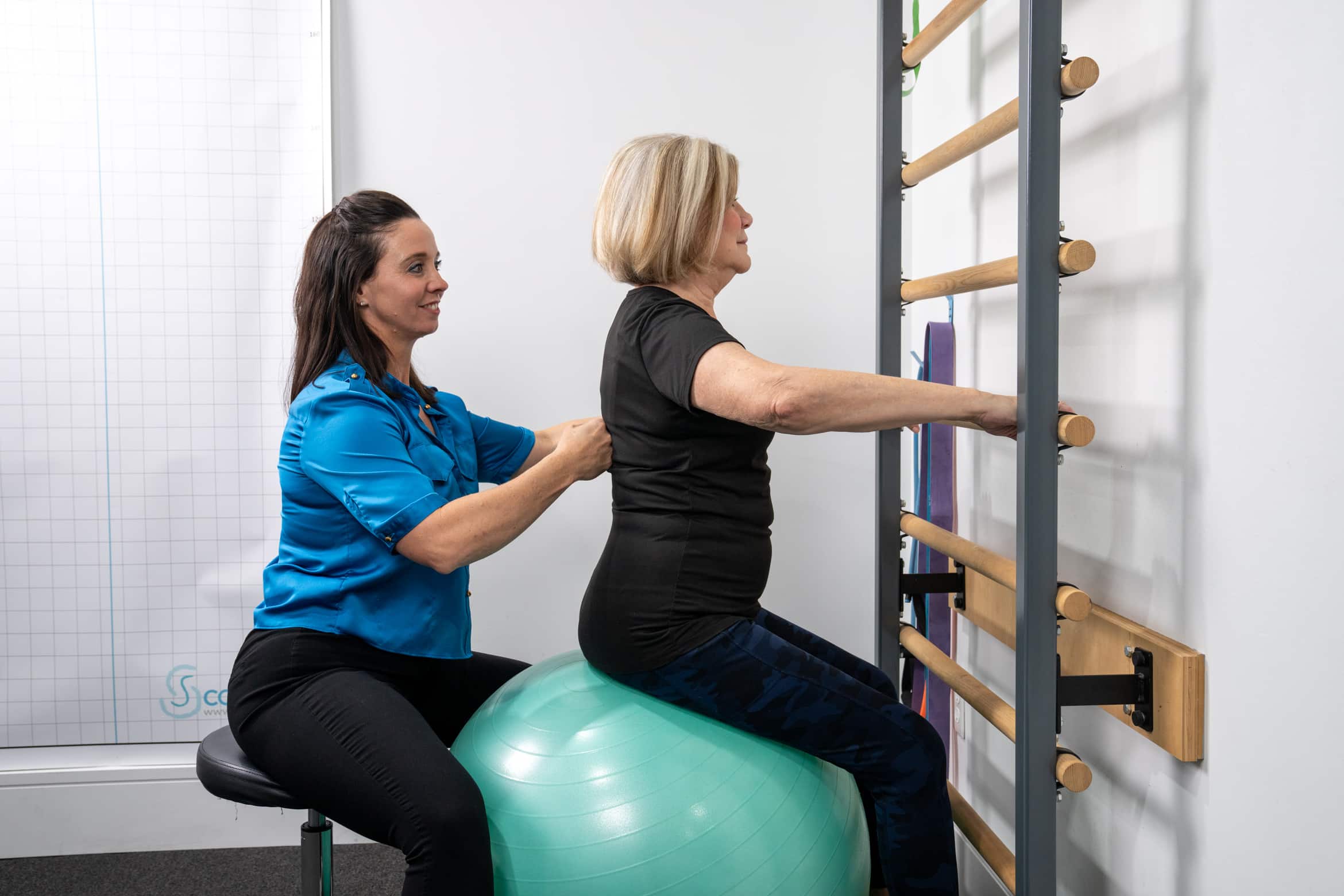
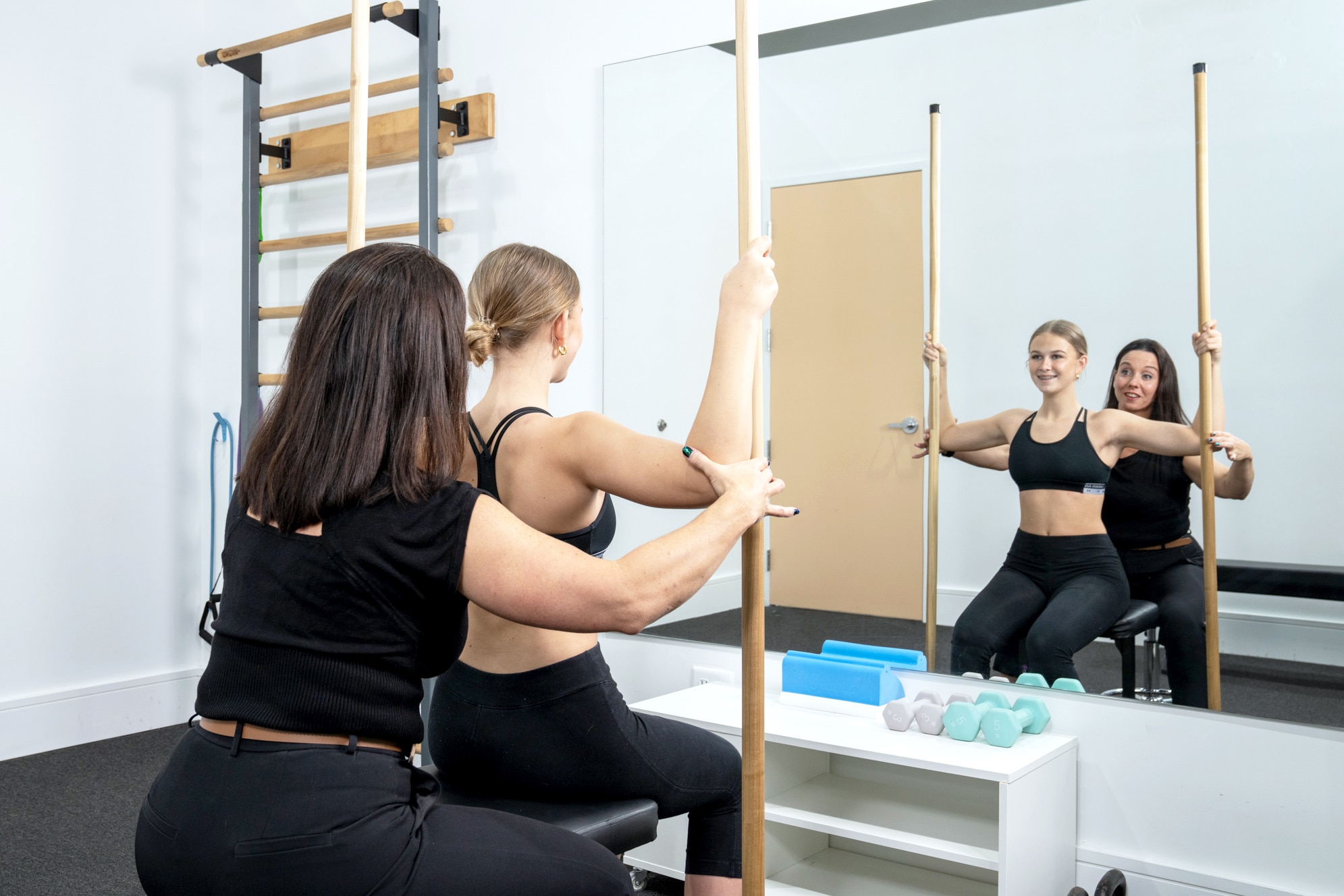
Our success stories cover a wide range of cases. See the results.


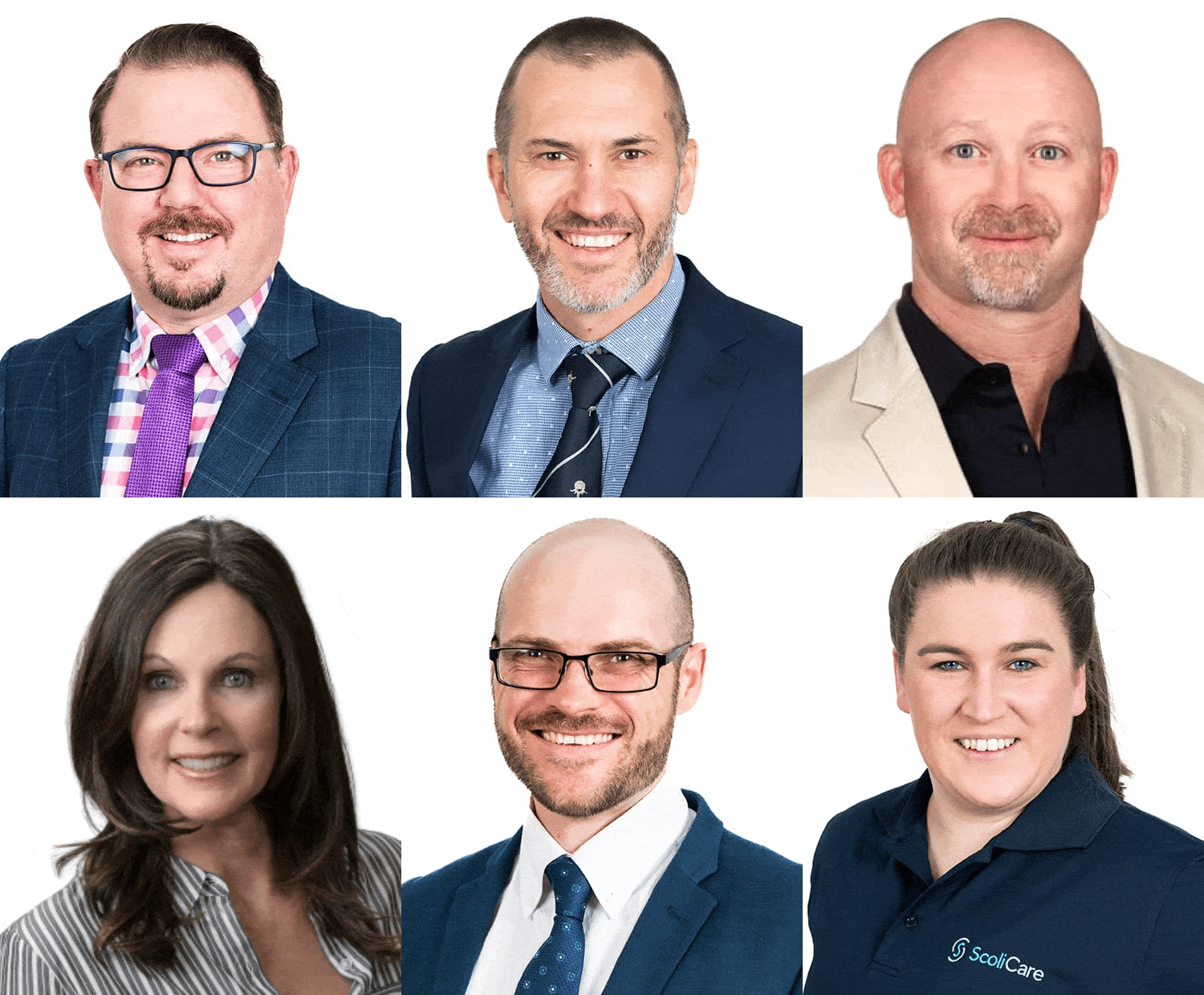
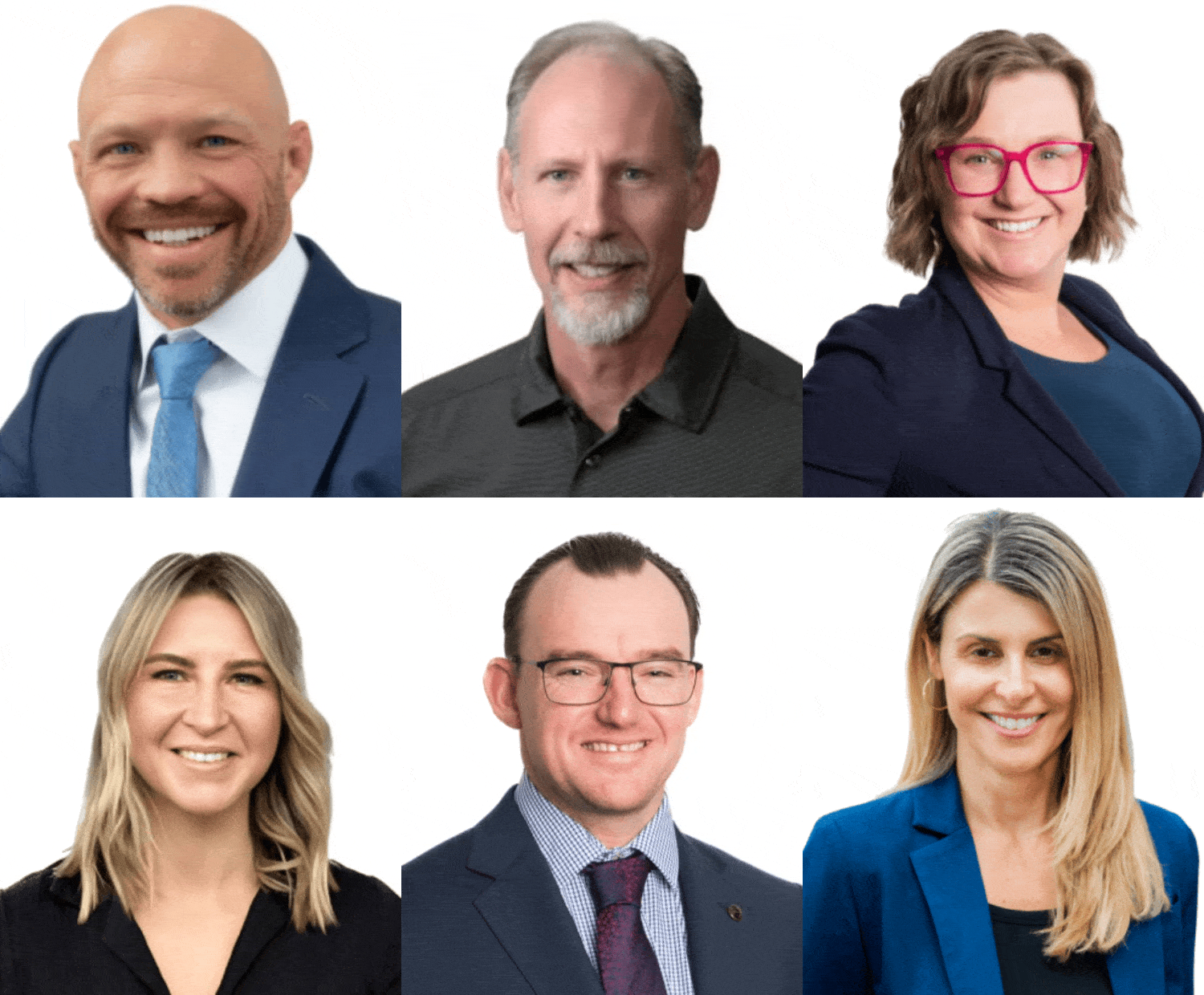
“Every spine tells a story. We’re here to help write a better chapter for yours.”
Our clinicians have undergone extensive postgraduate training in scoliosis-specific care. We combine clinical excellence with genuine compassion.
Refer a Patient
Our evidence-based approach has supported over 10,000 scoliosis cases globally. Refer your patient for assessment and personalised, non- surgical care.
Free X-Ray Review
Submit your patient’s X-rays for a no-cost review by our clinical team. Gain guidance for your next steps in scoliosis management.
Education & Training
Build your knowledge and skills in scoliosis care through out training and resources
Research
We’re committed to advancing scoliosis care through continuous research and clinical innovation.
Each case of scoliosis is unique and, depending on severity, age and mobility, treatment options need to adapt to the needs of the individual. This is why scoliosis treatment for teenagers varies from adult scoliosis treatment options.
The time of scoliosis diagnosis can be stressful for patients (as well as parents if your child has been diagnosed). There are certain things that every parent needs to know about scoliosis and for adult patients, this is a good time to gain a better understanding scoliosis. We are happy to discuss any concerns you have as we understand that providing in-depth information is key to moving forward with a successful treatment program.
If you would like to discuss your or your child’s personal case please feel free to contact us. We would be more than happy to answer any questions you may have about scoliosis treatment for yourself or your child. Alternatively, if you are at the start of your journey we can provide an overview of what a scoliosis assessment entails as well as the services we offer.
If you suspect that you have or your child has scoliosis, it is important to check as soon as possible to ensure you or your child receives the right treatment at the right time. There are certain ways to detect scoliosis, for example, firstly you could use ScoliCare’s free app called ScoliScreen to do a quick online check for risk factors. The next step is to make an appointment with a qualified Scoliosis Clinician to assess your individual situation and provide treatment options. Referrals are not required.
As one of the very few dedicated scoliosis clinic brands in the world, ScoliCare is committed to remaining at the global forefront of scoliosis assessment and non-surgical scoliosis treatment options. We often receive referrals from other health practitioners such as your doctor, chiropractor or physiotherapist and we can co-manage treatment.
Depending on the severity of the scoliosis, there are non-surgical scoliosis treatment options available. One method is scoliosis bracing which may prevent the curvature from worsening and potentially prevent the need for surgery. Another method is undertaking a scoliosis-specific exercise program, such as ScoliBalance, on its own or in conjunction with bracing.
As with all medical treatments, a scoliosis consultation is needed to ascertain the best possible approach for a successful outcome. Consideration is given to a patient’s age, where they are in their growth cycle, and their priorities e.g. an adult’s highest priority might be reducing pain. Should surgery be determined as the most appropriate treatment for you, we will refer you to a specialist scoliosis surgeon.
Generally, scoliosis surgery is reserved for spinal curvatures of more than 50 degrees or in cases where other treatments are not viable. We prefer to offer alternatives to surgery where possible to help patients with scoliosis. Depending on whether it’s an infant, juvenile, adolescent or adult presenting with scoliosis symptoms, the treatment options vary, depending on the severity of scoliosis.
We highly recommend a visit to one of our clinic or bracing Providers to discuss the appropriate treatment methods available to suit your diagnosis and lifestyle requirements. You may simply require scoliosis-specific exercises such as ScoliBalance, or it may be determined that you will benefit more from a scoliosis brace, or you may need both. In the event surgery is deemed appropriate we are here to guide you through the process by offering surgical referrals to our network of scoliosis surgeons. We will also assist you through the recovery stages.
Booking a consultation is the first step toward seeking effective treatment for scoliosis. During your consultation, we will conduct a postural assessment and organise a standing X-ray which will be used to determine the Cobb angle of your spine. We will also consider the probability of the scoliosis worsening over time, lifestyle factors/needs, age of the patient, and more. From here, we can begin to discuss the most effective scoliosis treatment, whether that is exercise or a brace, a combination of both, or surgery as a last resort.

We are having a fantastic experience with the team at ScoliCare. Even since the initial diagnosis we have been treated with respect, patience, empathy.
Naomi
ScoliCare Sydney South
ScoliCare is definitely the right word to describe the feeling you get as you walk in the door. They really care. Also with this the level of professionalism, detail and focus is amazing.
Galy
ScoliCare Sydney North
ScoliCare is truly incredible. The staff were so kind, welcoming and very professional!
Caitlin
ScoliCare Melbourne
ScoliCare has been absolutely amazing for our son. I can not speak highly enough of the team at Chermside.
Toni
ScoliCare Brisbane
Love the team at ScoliCare! Always super helpful, informative and genuine.
Quateesha
ScoliCare Brisbane
Amazing, friendly, knowledgeable staff! I’ve been working with them for years and they always make me feel welcomed and cared for
Melody
ScoliCare East Phoenix
Our family’s experience with Dr. T and his team has been outstanding.
Magda
ScoliCare Naples
We loved working with the team at ScoliCare Denver. Everyone was so knowledgeable and kind.
Alyssa
ScoliCare Denver
I have scoliosis and have been going here for years! It’s a great place and have a great community. Definitely recommend
Addison
ScoliCare Louisville
News
-
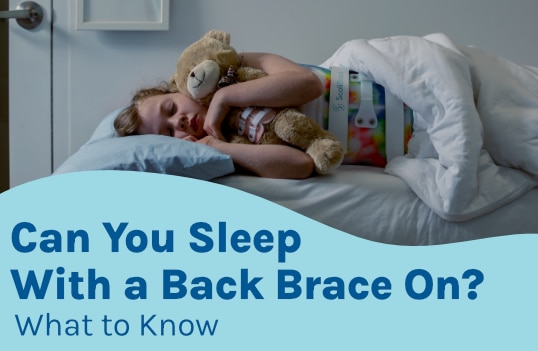
Can You Sleep With a Back Brace On? What to Know
Read more: Can You Sleep With a Back Brace On? What to KnowScoliBrace® and ScoliNight offer customized scoliosis bracing for day or night wear, supporting correction as part of a personalized treatment plan.
-
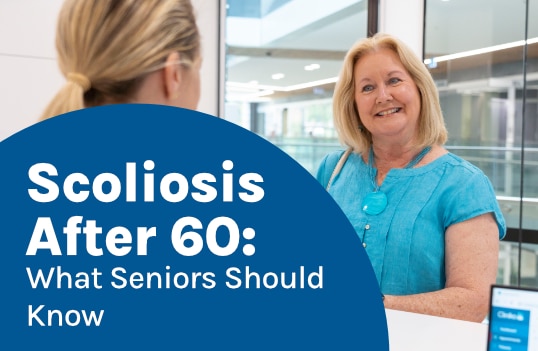
Scoliosis After 60: What Seniors Should Know
Read more: Scoliosis After 60: What Seniors Should KnowDegenerative scoliosis often affects adults over 60, causing pain and instability. Customized treatment can improve balance, comfort, and quality of life.
-
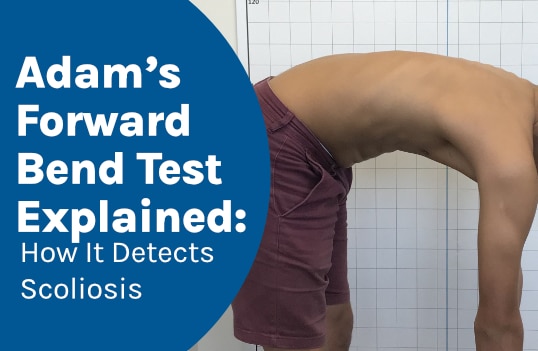
Adam’s Forward Bend Test Explained: How It Detects Scoliosis
Read more: Adam’s Forward Bend Test Explained: How It Detects ScoliosisThe Adam’s forward bend test can reveal early signs of scoliosis. A professional assessment can determine if further testing or treatment is needed.